
Void as a Generative Mechanism of Spatial Organization
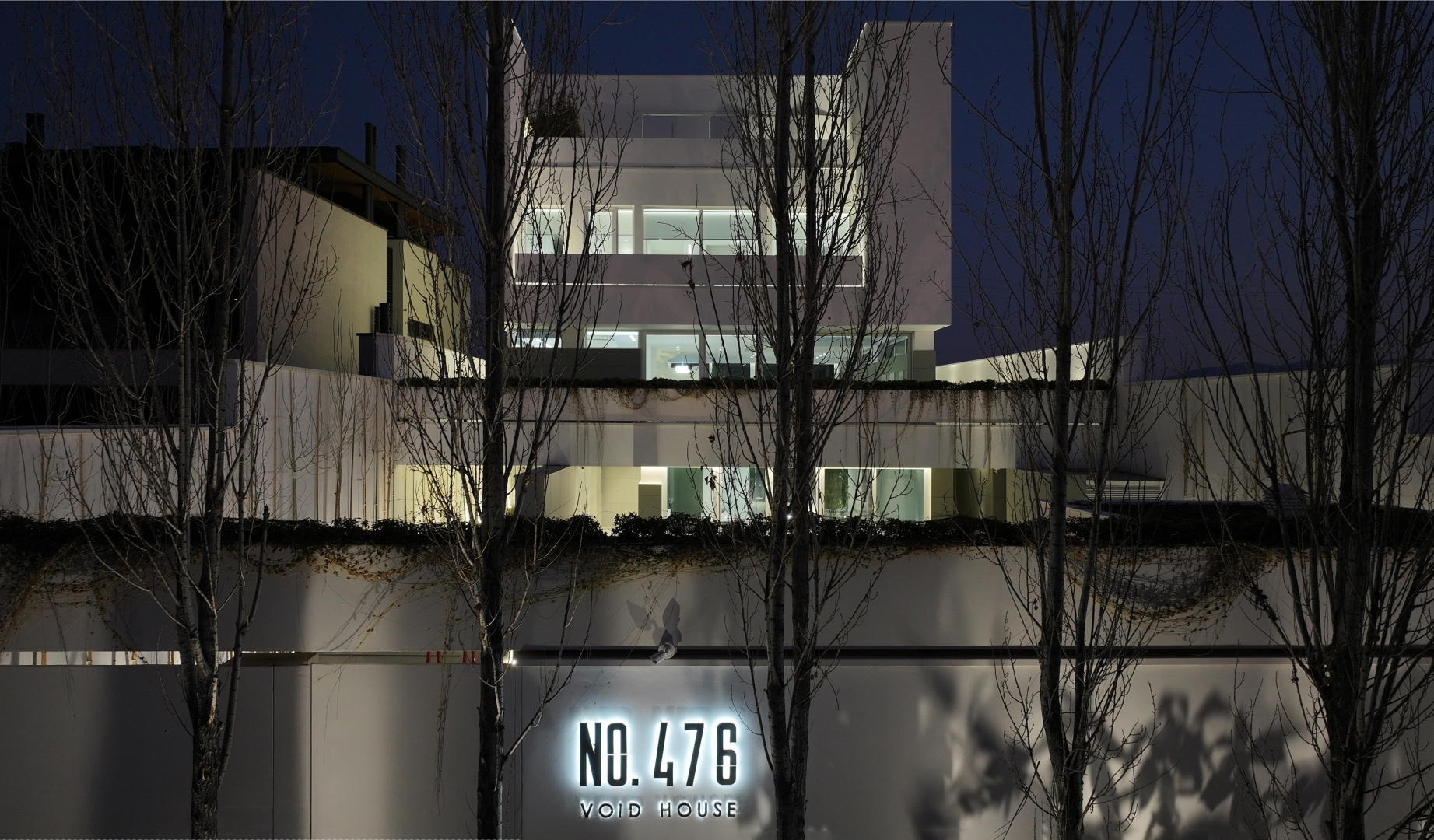
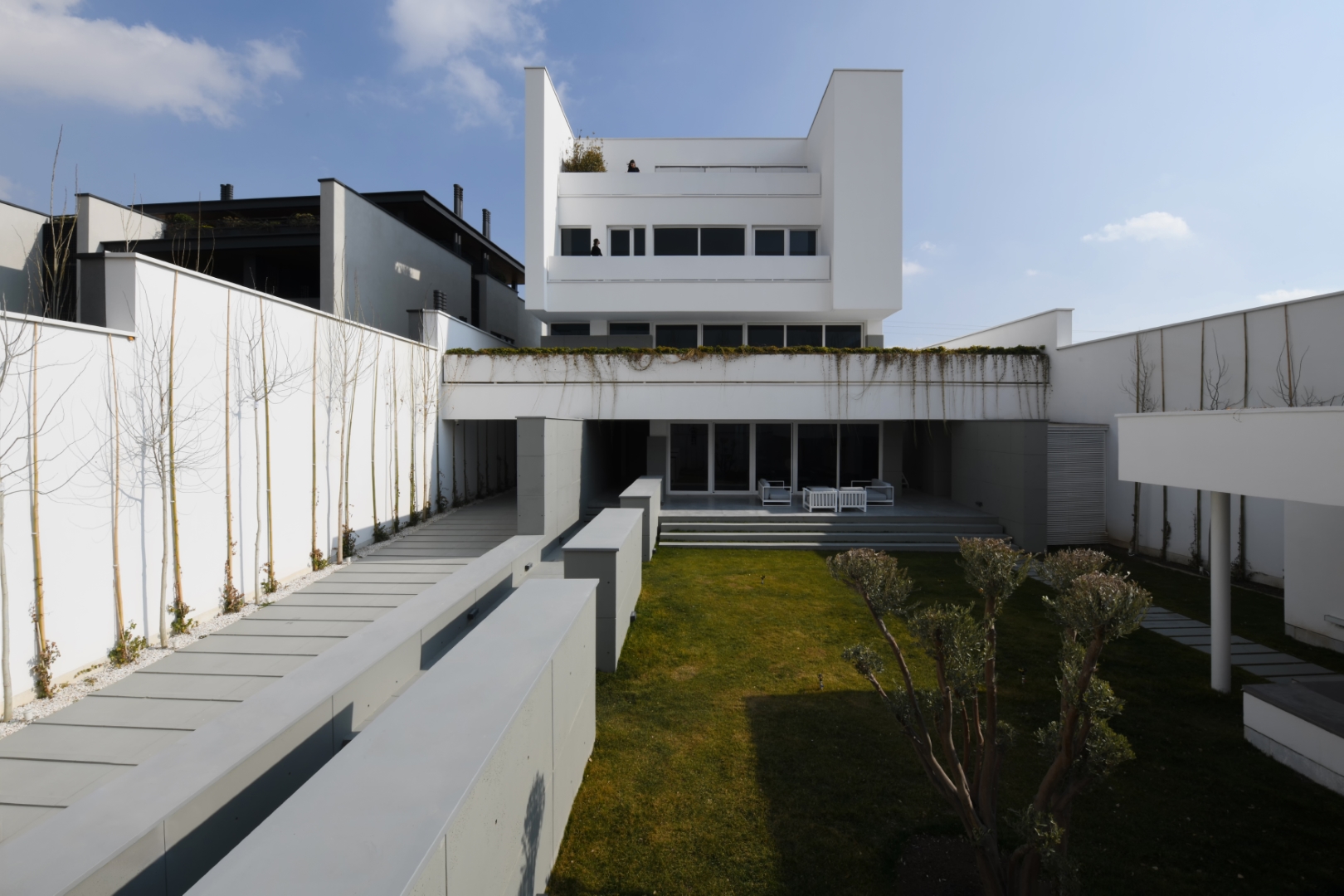
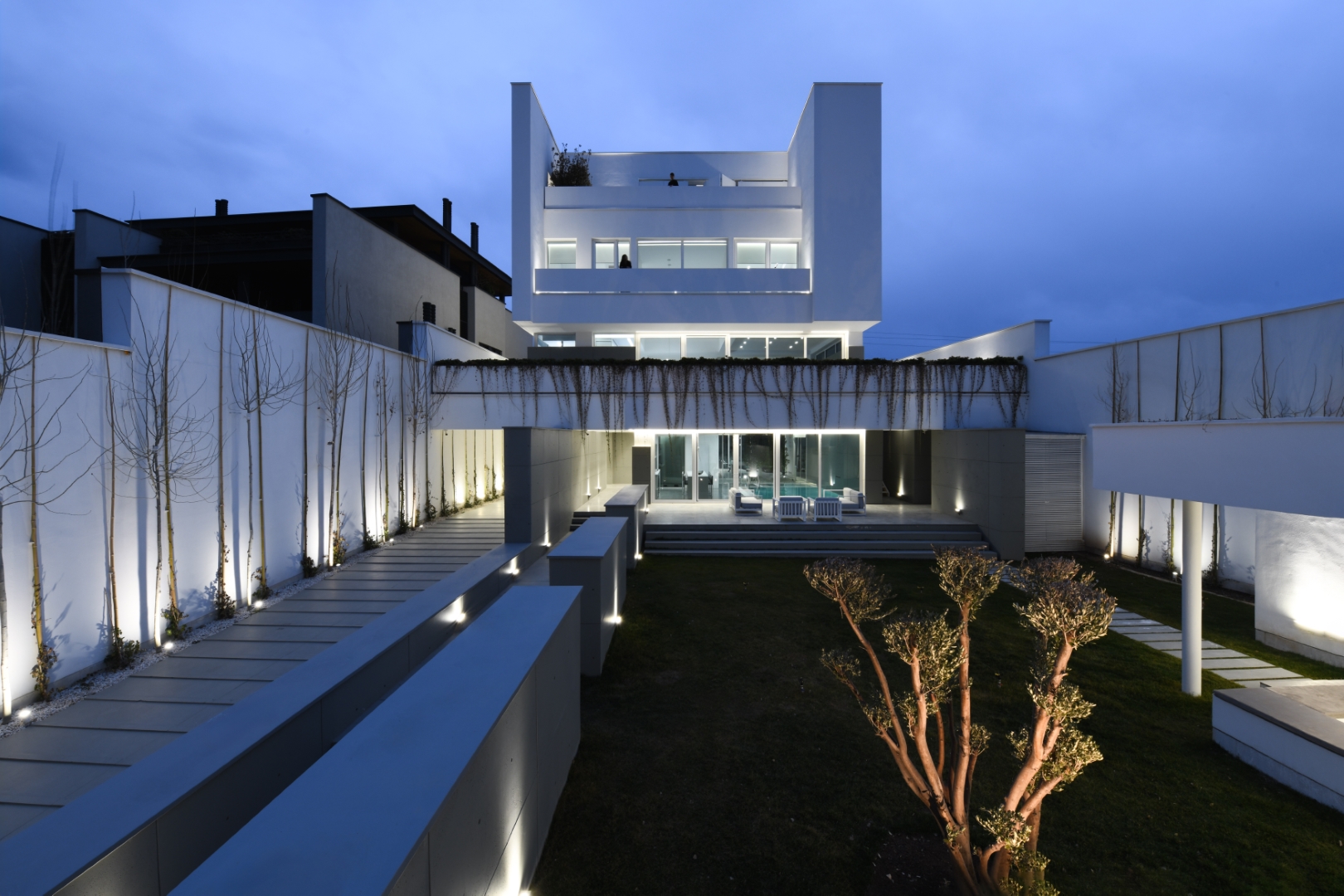
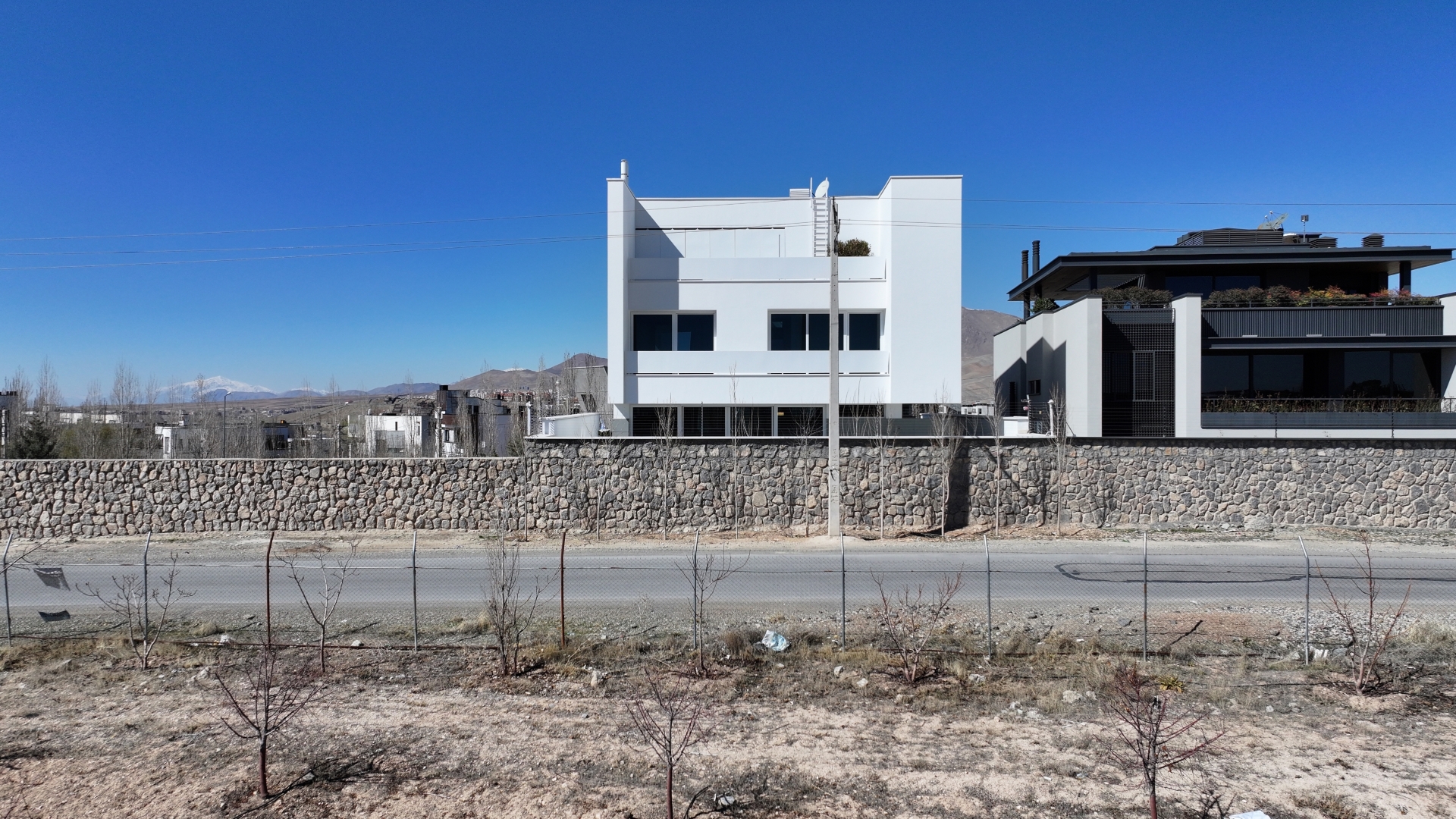
Void House emerged from the tension between the settlement’s restrictive building regulations and the client’s dense programmatic requirements. The conventional response would have been to maximize the permitted building footprint an approach that would expand the building mass across the site while reducing the extent of landscape and open space. The project reverses this relationship: the building coverage was reduced from 65% to 45%, and an additional level was introduced without exceeding the settlement’s permitted height envelope, allowing the program to be distributed within a more compact vertical organization. Reducing the clear floor-to-ceiling heights further enabled a larger portion of the site to be released for landscape and open space.
This vertical compaction defined the project’s central question: how can programmatic density be accommodated without reducing the house to a stack of autonomous floors and disconnected spaces? The response emerged through a redefinition of the relationship between mass and void. The initial volume was subdivided according to a three-dimensional spatial matrix, whose components could be removed, retained, or interconnected in response to program, circulation, views, and environmental conditions.
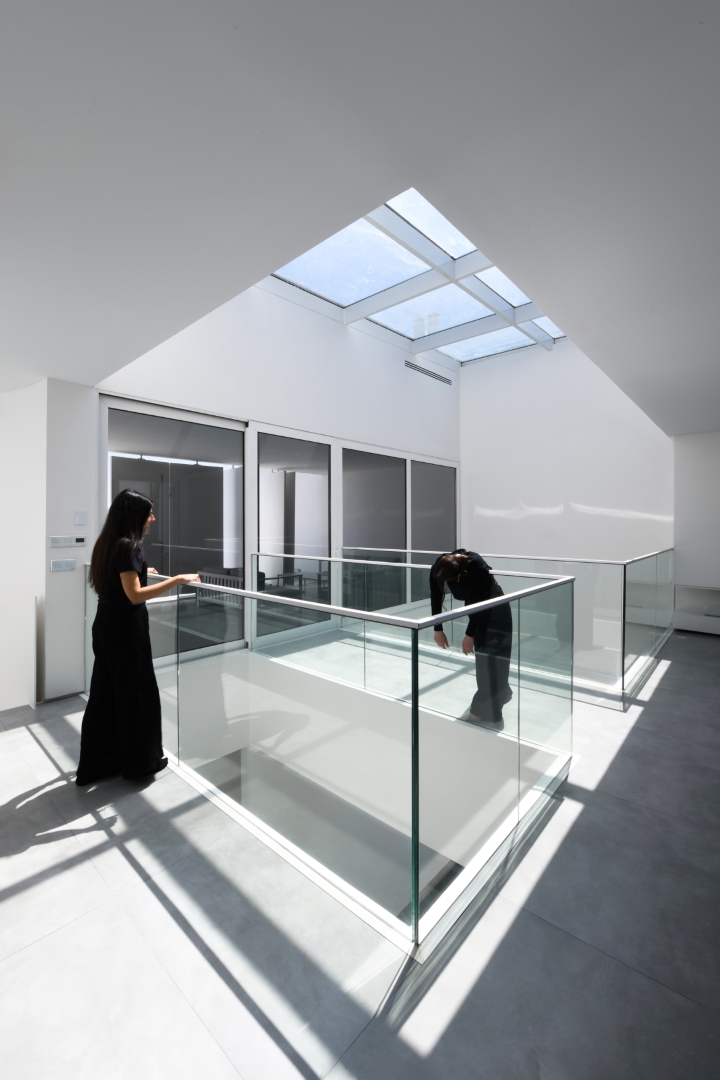
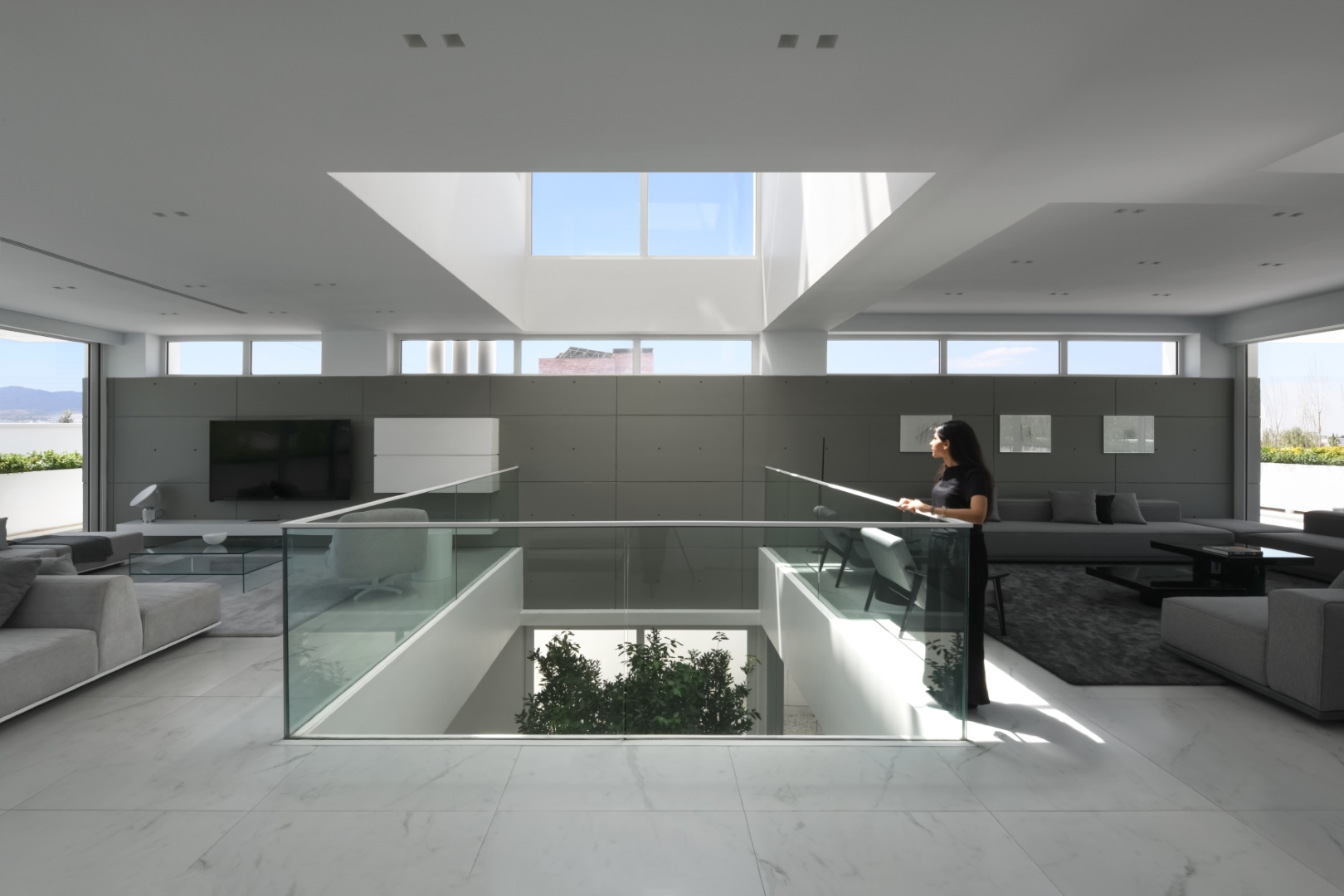
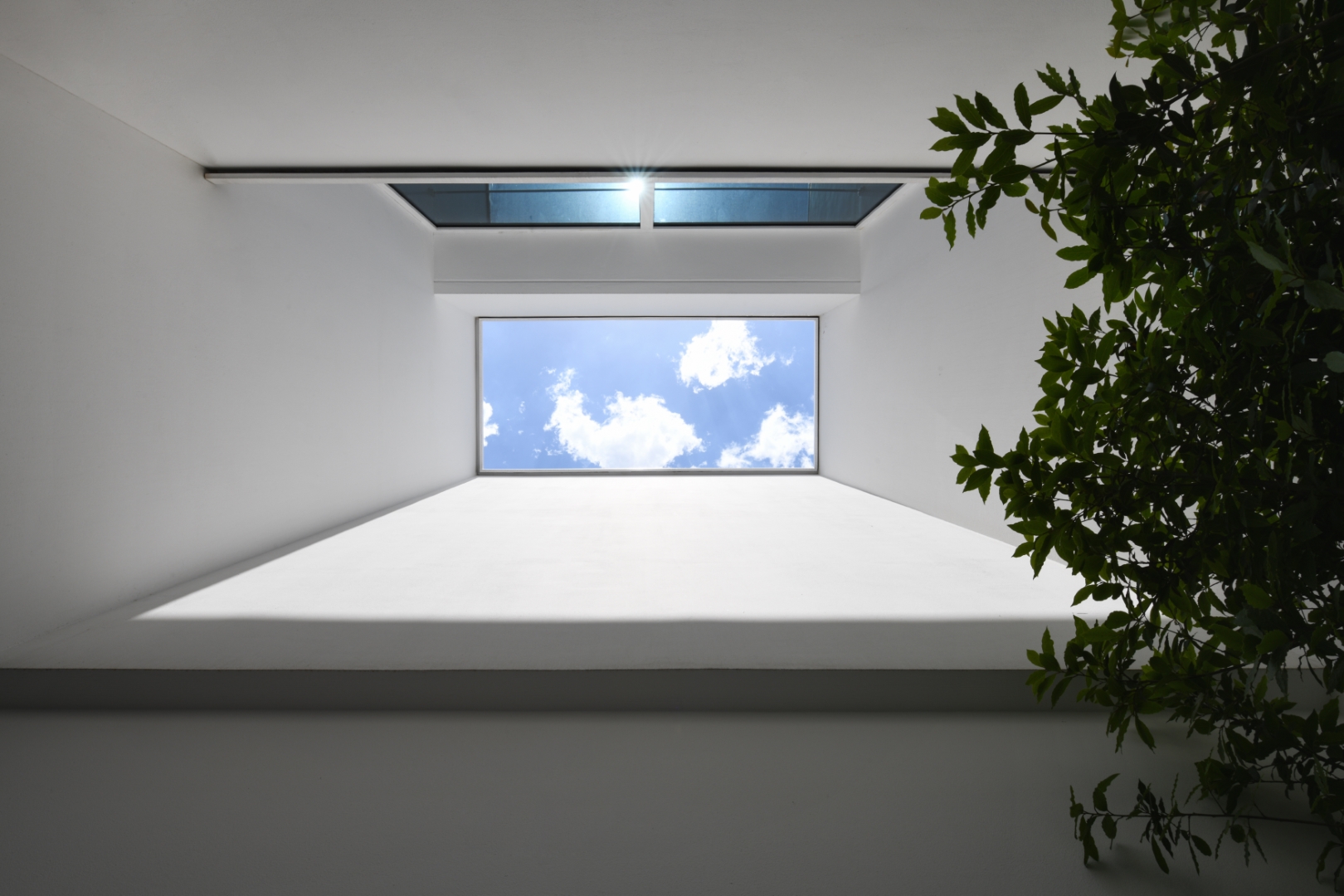
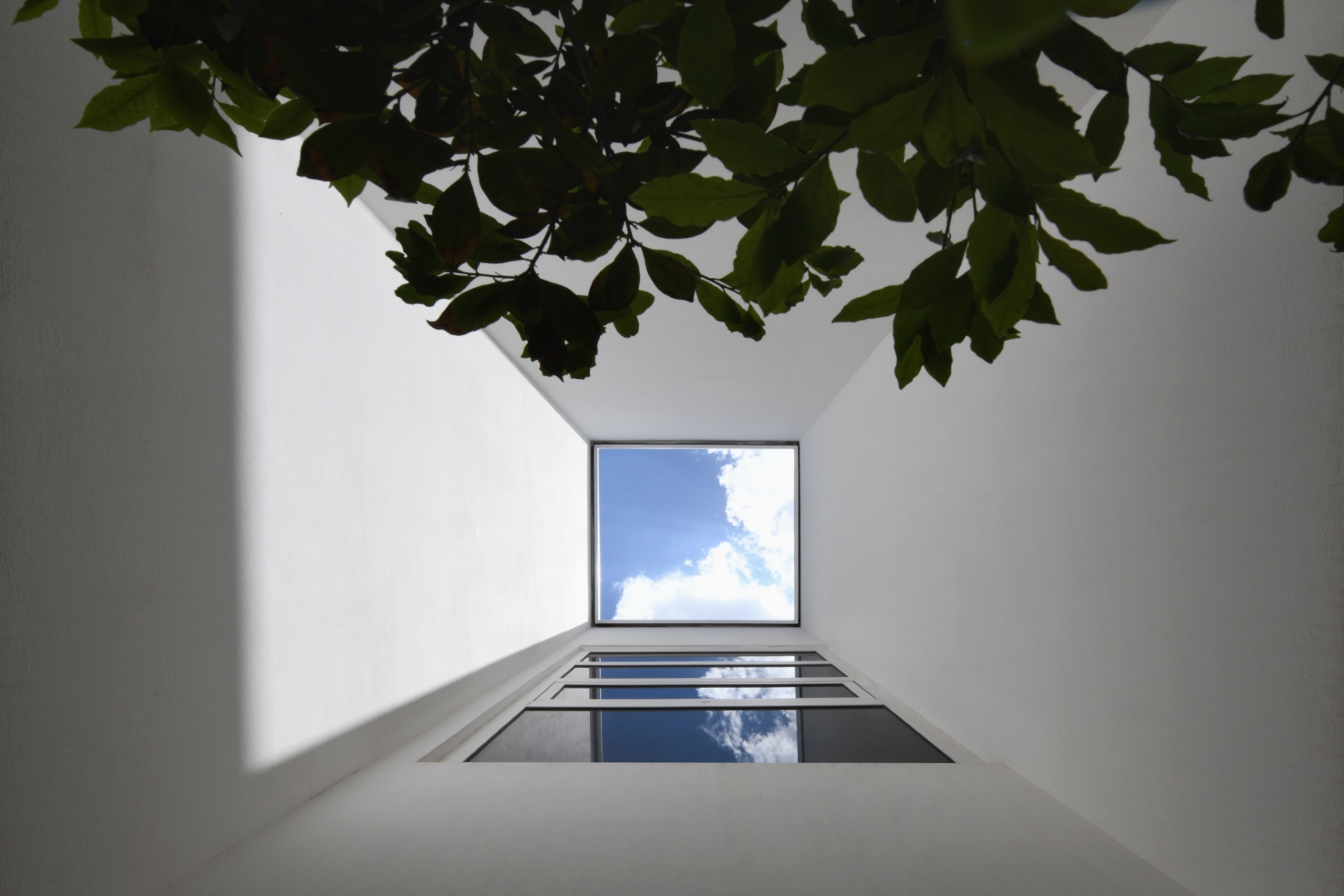
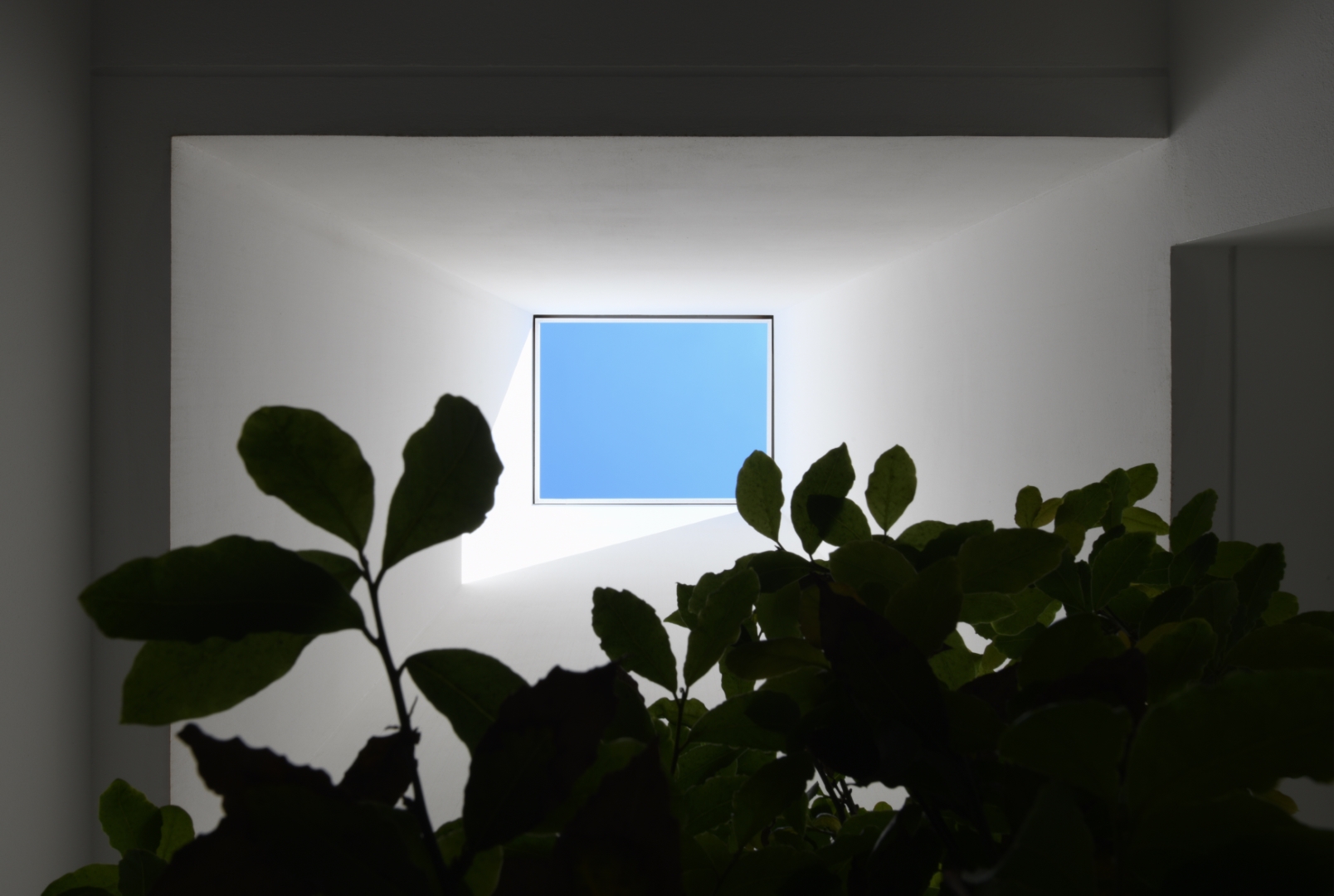
Within this system, void is no longer a residual consequence of subtracting from mass, but an active variable in spatial organization. The strategic removal of specific units from the matrix generates an interconnected network of voids that moderates programmatic density while simultaneously distributing light, air, views, vegetation, and movement deep into the building. Porosity, therefore, is not treated as a formal attribute, but as the project’s spatial and environmental mechanism.
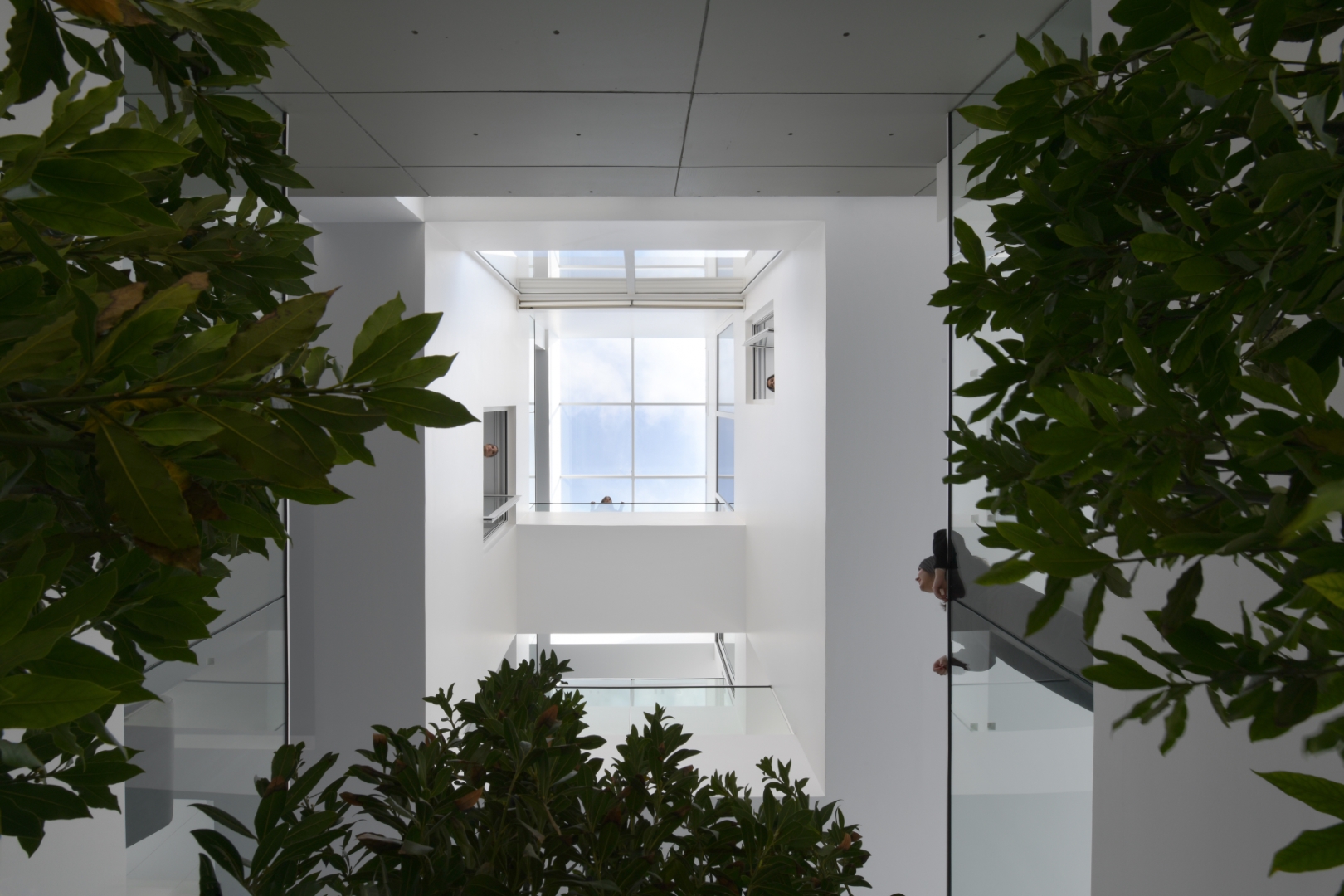
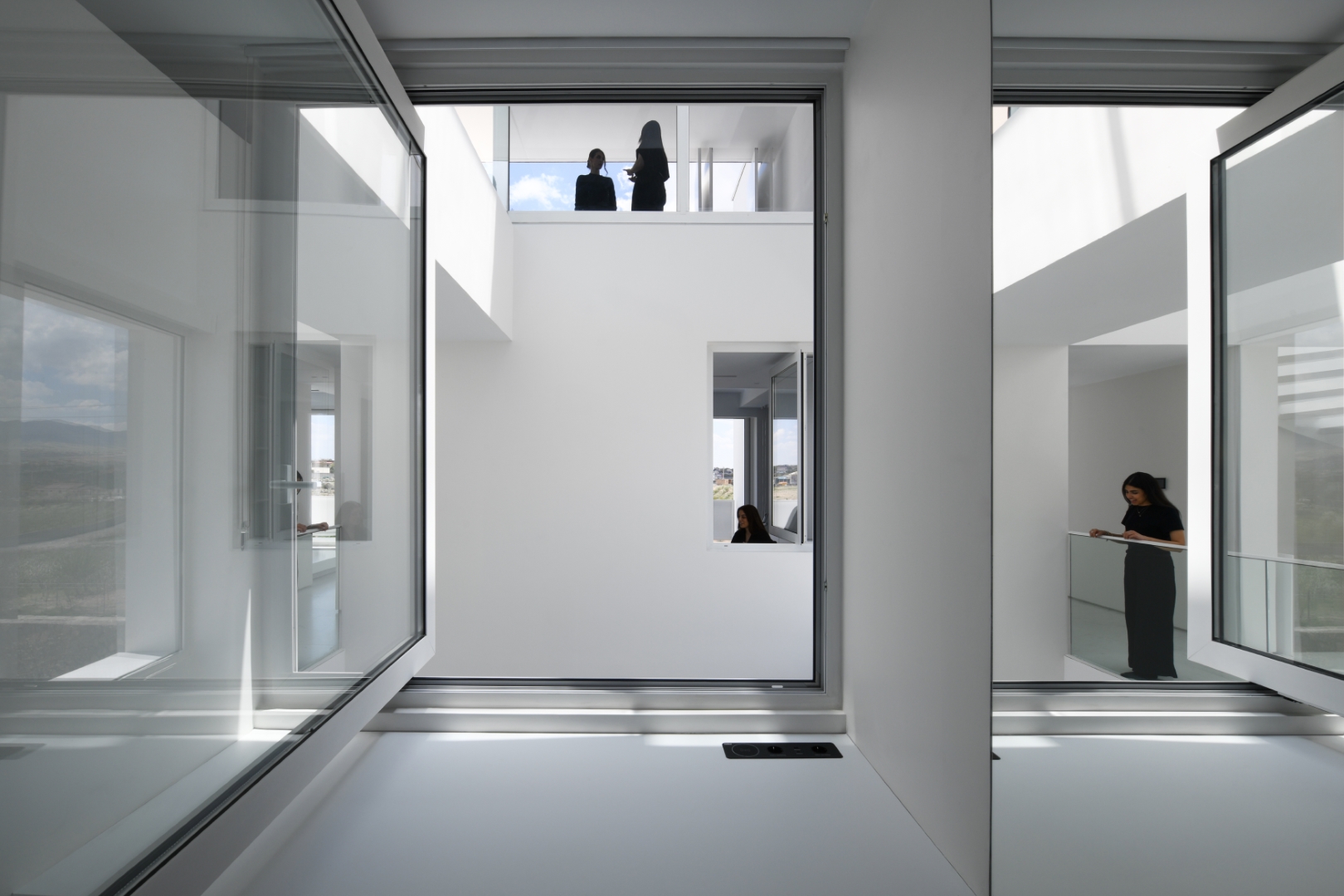
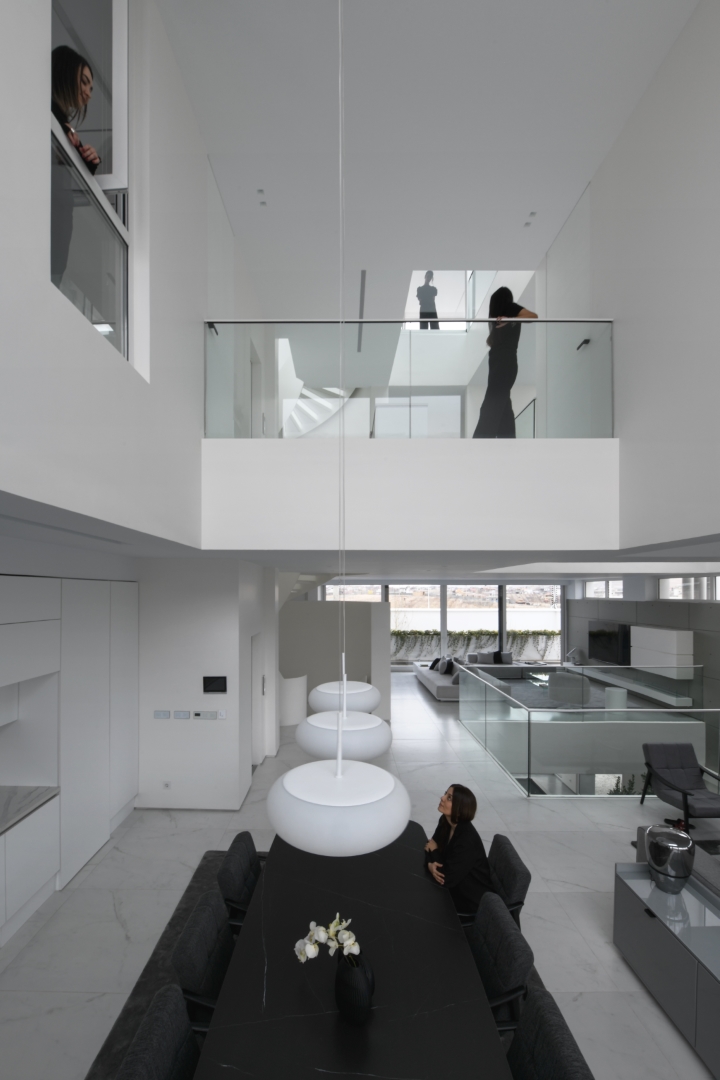
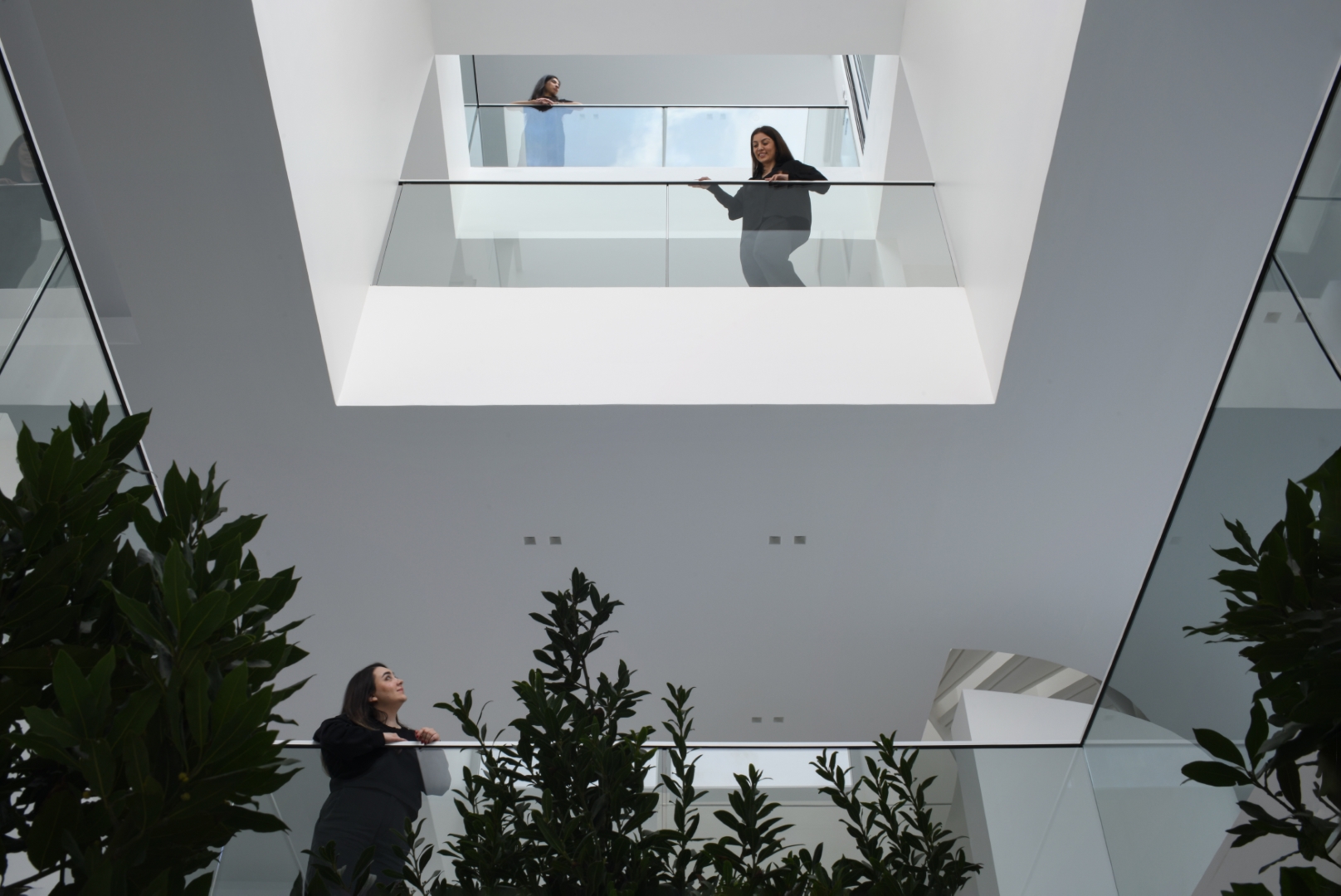
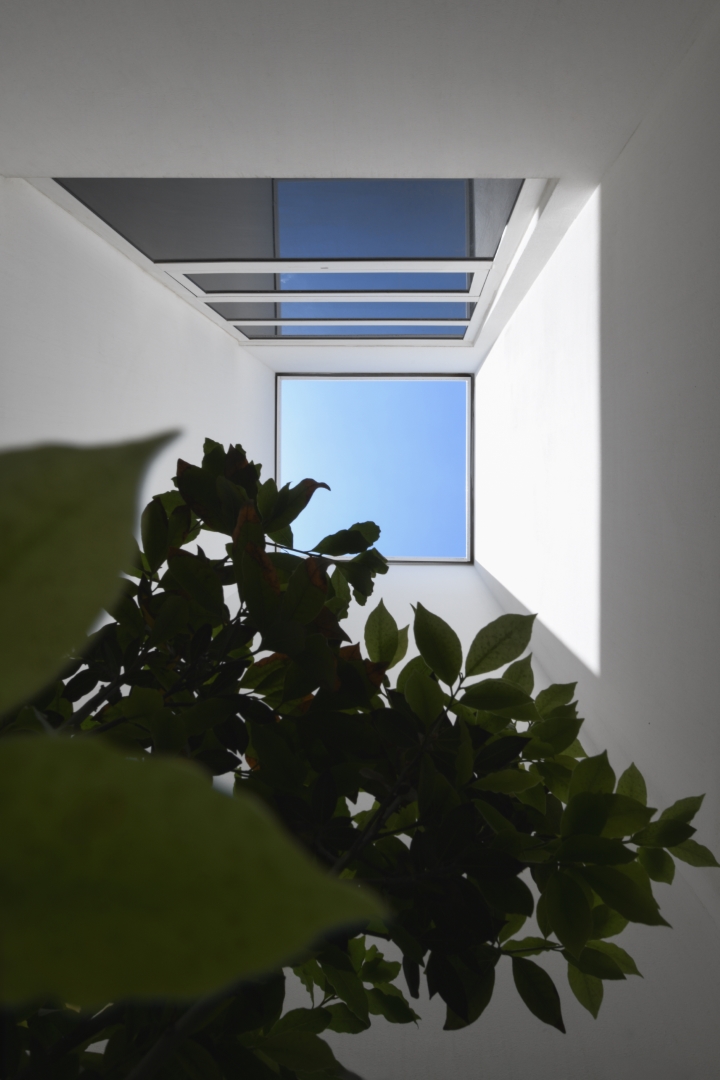
The spatial logic of the house is revealed more through section than plan. The central void, circulation void, and visual, biophilic, and collective voids connect across multiple levels to establish a vertical spatial continuum. This network transforms the floors from autonomous horizontal strata into components of a continuous spatial field, articulated through oblique sightlines, inter-level connections, light, and movement.
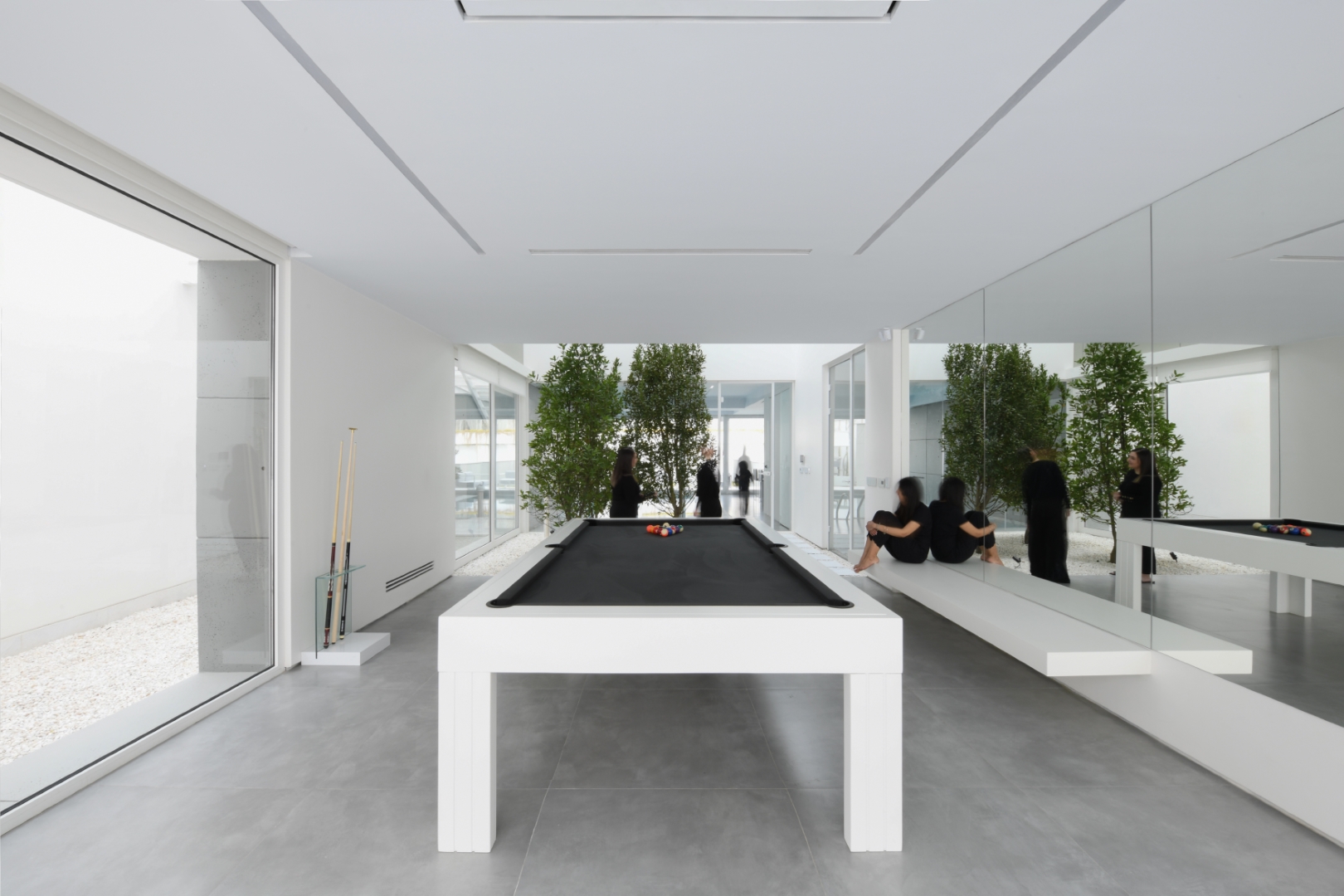
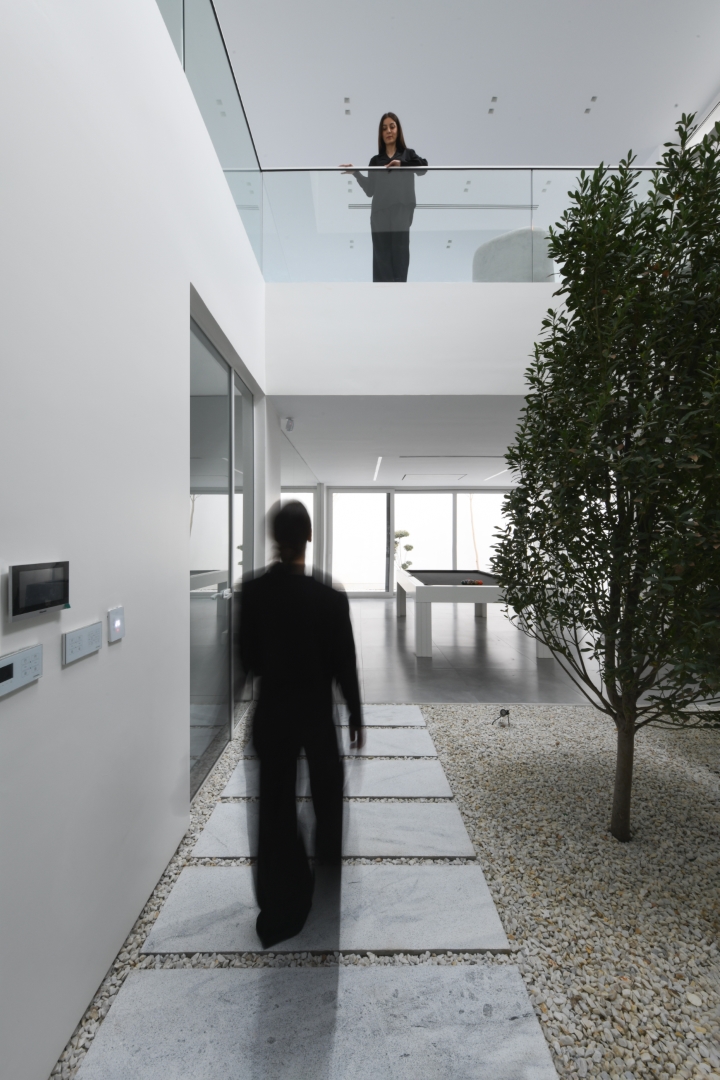
The program is similarly organized along a vertical public-to-private gradient. Collective spaces occupy the lower levels, maintaining a closer relationship with the ground, while private spaces are positioned above. The voids, however, preserve perceptual continuity between these layers. Biophilic voids extend daylight, air, and vegetation through the section, shifting nature from a peripheral landscape element to an integral component of the house’s spatial structure.
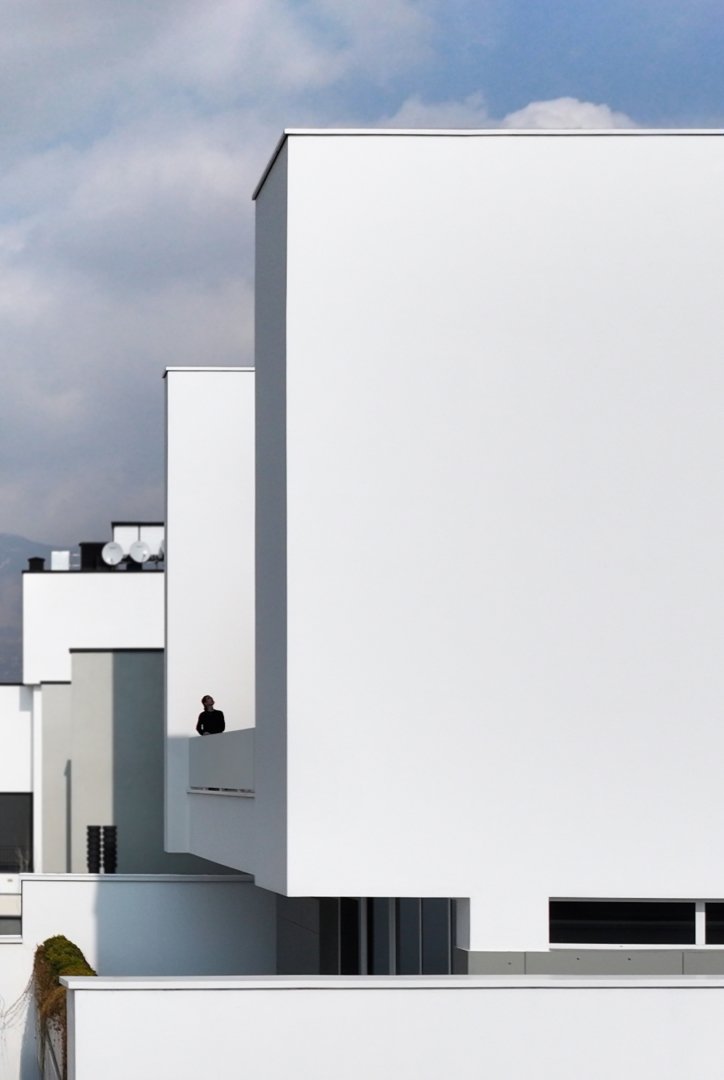
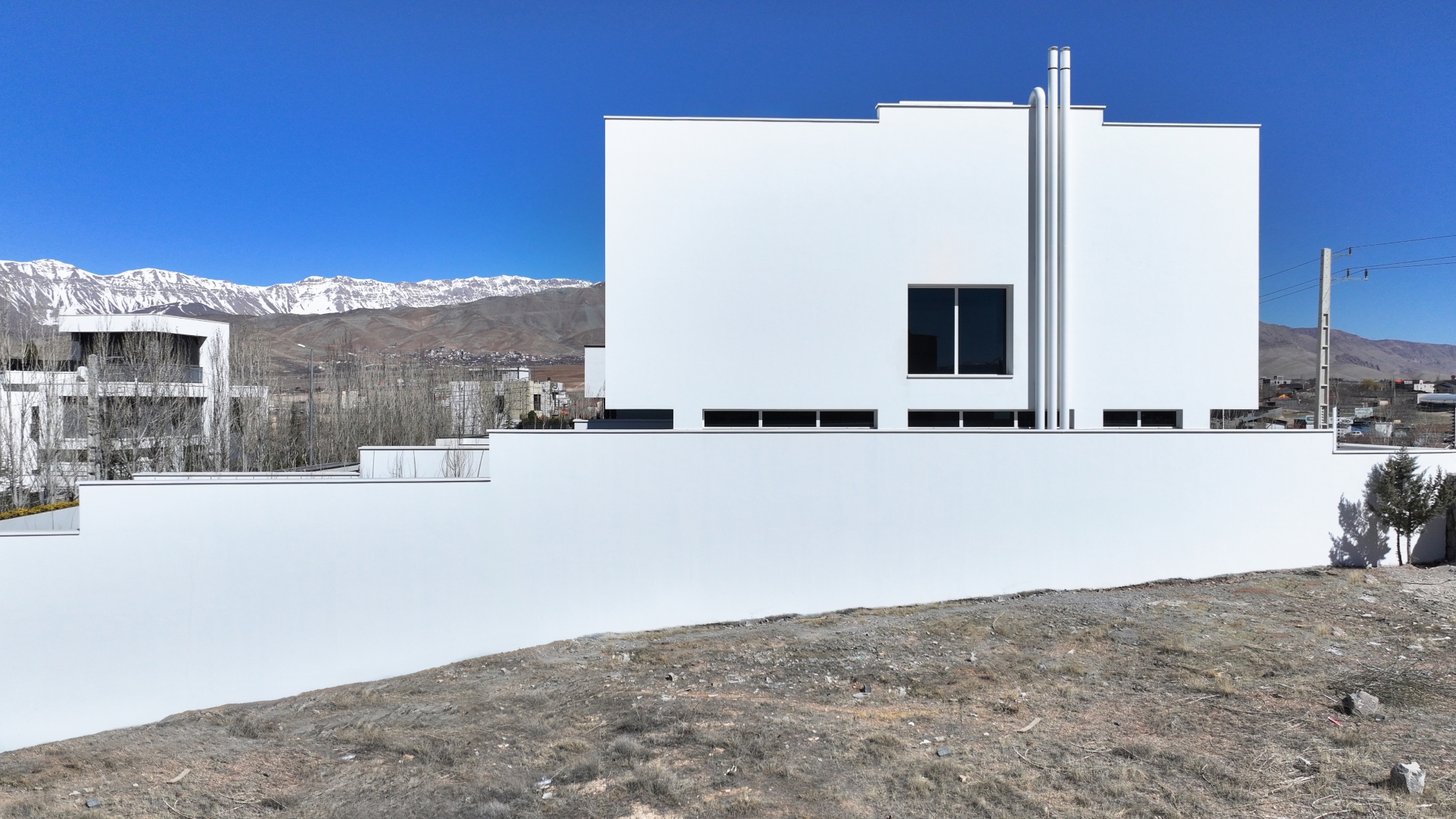
The building’s relationship with its context is calibrated through varying degrees of permeability. Elevations facing neighboring properties remain more enclosed and controlled, while the house progressively opens toward the garden and landscape. Strategically positioned apertures and volumetric incisions frame the site’s two principal horizons the surrounding landscape and Mount Damavand establishing a calibrated balance between privacy, visual connection, and openness.
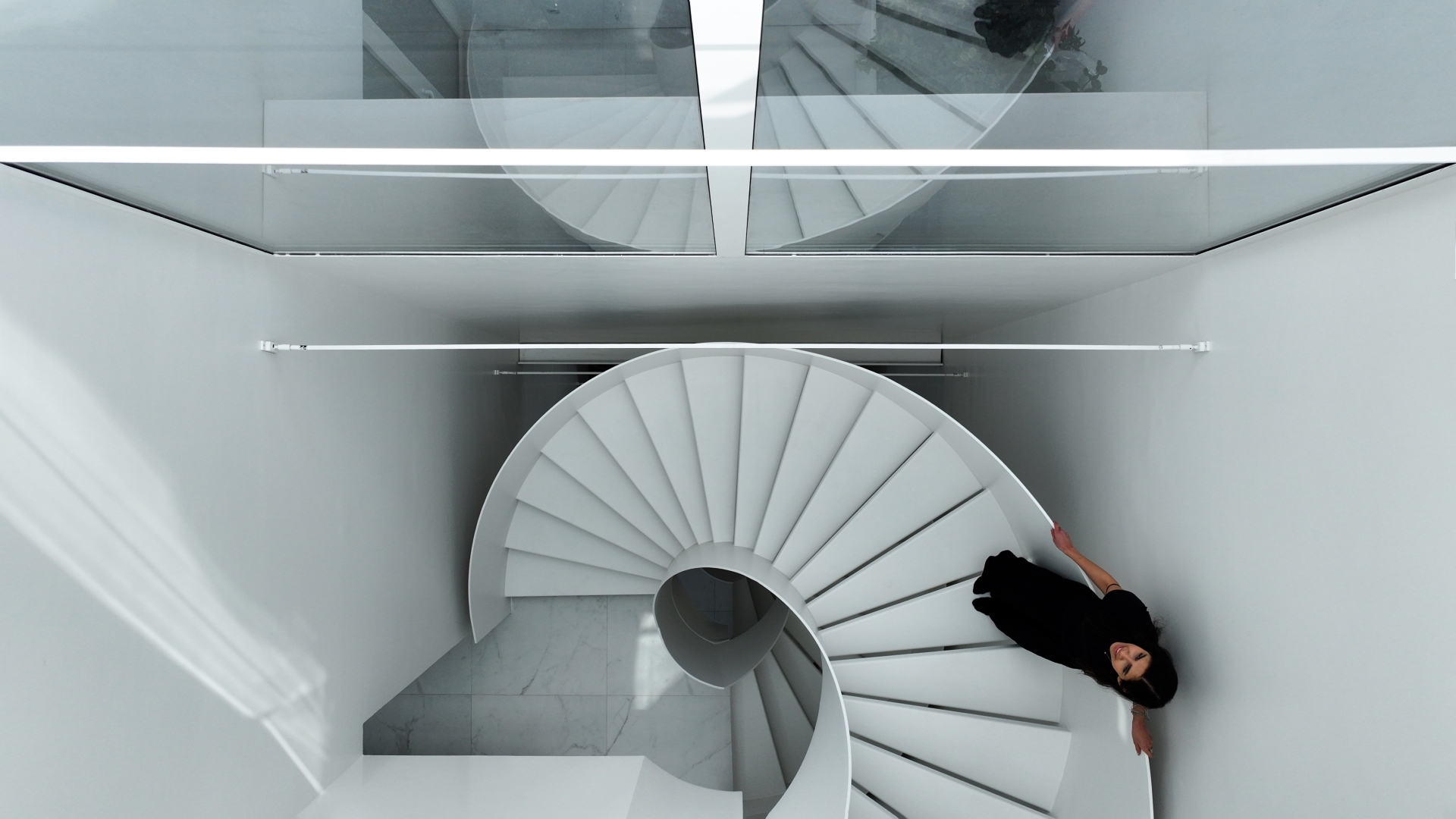
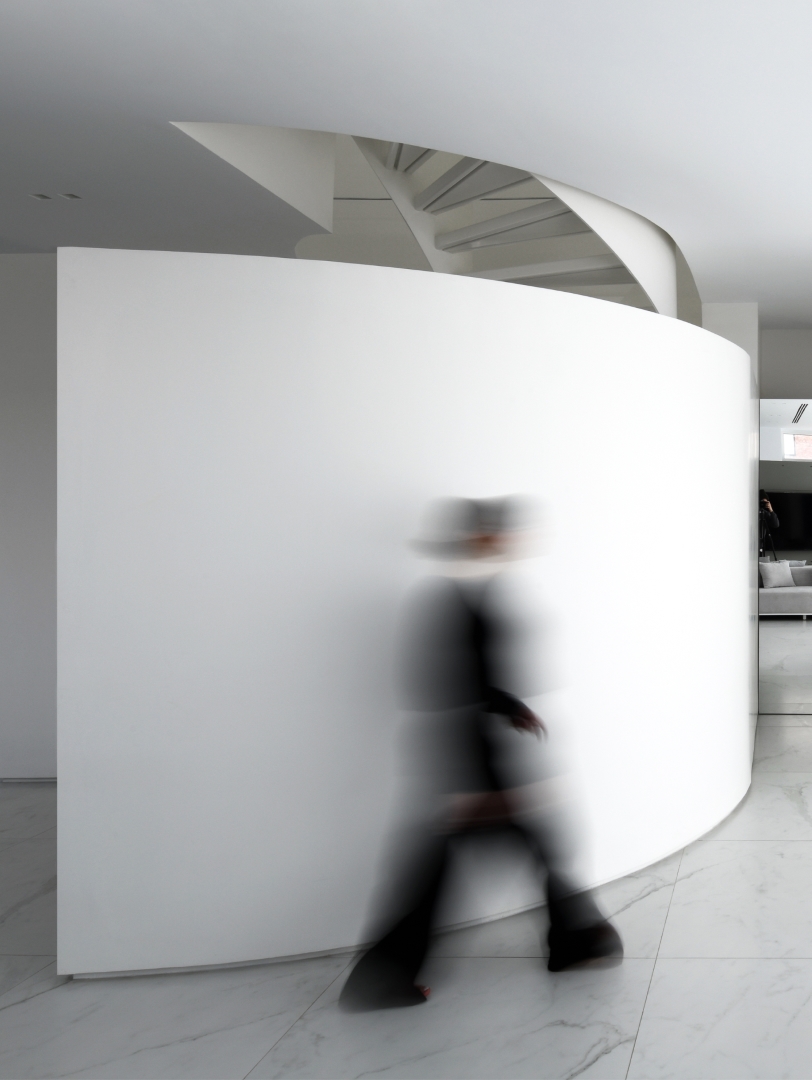
Movement is also embedded within the sectional organization of the project. Stairs, terraces, and visual openings transform circulation between levels into a spatial sequence of pause, rotation, shifts in scale, and encounter. Collective voids extend shared life beyond conventionally programmed rooms and into the in-between spaces of the house, where visual connections and indirect presence mediate between individual autonomy and collective dwelling.
Ultimately, the project is organized through a porous sectional structure in which mass and void operate not as opposing conditions, but as interdependent components of a single spatial system. Reduced site coverage and vertical programmatic compaction release a greater portion of the ground for landscape and open space, while the network of voids moderates the resulting density through the distribution of daylight, air, vegetation, views, and inter-level connections. Within this logic, void is displaced from its conventional status as residual space and becomes a generative mechanism of spatial organization one that calibrates degrees of openness and enclosure, connection and separation, and the relationship between individual autonomy and collective dwelling.